
The demand for cybersecurity professionals has grown dramatically over the past decade, and that trend shows no signs of slowing down. As businesses, government agencies, healthcare providers, and financial institutions continue expanding their digital operations, protecting sensitive information has become a top priority. Cybersecurity Analysts play a critical role in defending organizations against cyber threats, data breaches, ransomware attacks, and other security risks.
For individuals seeking a career with strong job security, excellent earning potential, and long-term growth opportunities, cybersecurity stands out as one of the most attractive options in the modern workforce. Unlike many traditional professions, cybersecurity offers multiple entry paths, making it possible for motivated individuals to enter the field through degrees, certifications, boot camps, or self-directed learning.
This guide explains how to build a successful cybersecurity career, develop in-demand skills, earn industry-recognized certifications, and work toward a six-figure salary in the United States.
What Does a Cybersecurity Analyst Do?
A Cybersecurity Analyst is responsible for protecting an organization’s digital systems, networks, and data from cyber threats. Their primary goal is to identify vulnerabilities, monitor security systems, detect suspicious activity, and respond to security incidents before significant damage occurs.
Cybersecurity Analysts spend much of their time reviewing security alerts, investigating unusual network activity, analyzing potential threats, and implementing security controls. They also help organizations develop security policies and educate employees about safe cybersecurity practices.
Their work directly impacts business continuity, customer trust, and regulatory compliance.
Why Demand Is Growing
Cybersecurity has become one of the fastest-growing career fields because cyber threats are increasing in both frequency and complexity.
Organizations today face challenges such as:
Ransomware attacks
Data breaches
Identity theft
Cloud security risks
Remote work vulnerabilities
Artificial Intelligence-powered cyber threats
As companies store more data online and rely on digital infrastructure, they need qualified professionals to protect these systems.
At the same time, many employers struggle to find enough skilled cybersecurity workers. This talent shortage creates excellent opportunities for new professionals entering the field.
Education Requirements
One of the advantages of cybersecurity is flexibility in educational pathways.
Many professionals earn bachelor’s degrees in:
Cybersecurity
Computer Science
Information Technology
Information Systems
Computer Engineering
However, a university degree is not always required. Employers increasingly value practical skills, certifications, and hands-on experience.
Many successful Cybersecurity Analysts begin with:
Community college programs
Technical training courses
Cybersecurity boot camps
Online certification programs
Self-study and home labs
What matters most is demonstrating the ability to solve security problems and understand cybersecurity fundamentals.
Essential Technical Skills
Building strong technical skills is crucial for success.
Networking Fundamentals
Cybersecurity professionals must understand how computer networks function. Knowledge of routers, switches, firewalls, IP addresses, DNS, and network protocols forms the foundation of security work.
Operating Systems
Analysts frequently work with Windows, Linux, and cloud-based operating systems. Understanding system administration helps identify vulnerabilities and secure environments.
Threat Detection
Recognizing malware, phishing attacks, suspicious behavior, and intrusion attempts is a key responsibility.
Security Tools
Professionals should become familiar with:
Security Information and Event Management (SIEM) tools
Endpoint protection platforms
Firewalls
Vulnerability scanners
Intrusion detection systems
Cloud Security
Cloud platforms continue growing rapidly. Understanding cloud security principles has become increasingly important for modern cybersecurity careers.
Important Soft Skills
Many people focus only on technical abilities, but soft skills are equally valuable.
Cybersecurity Analysts often need:
Strong analytical thinking
Attention to detail
Communication skills
Problem-solving abilities
Patience
Adaptability
Teamwork
Decision-making under pressure
Technical expertise becomes much more valuable when combined with strong communication and critical thinking.
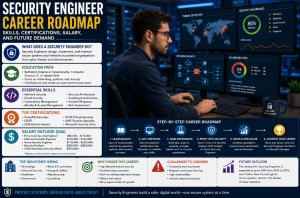
Best Certifications for Career Growth
Certifications remain one of the fastest ways to build credibility and improve job opportunities.
CompTIA Security+
This certification is widely considered the best starting point for beginners. It covers fundamental cybersecurity concepts and is respected by employers throughout the industry.
CompTIA CySA+
Designed for analysts, this certification focuses on threat detection, vulnerability management, and incident response.
Certified Ethical Hacker (CEH)
CEH introduces offensive security concepts and teaches how attackers think and operate.
CISSP
The Certified Information Systems Security Professional certification is highly respected and often required for senior-level security roles.
CCSP
Cloud security continues growing rapidly, making the Certified Cloud Security Professional credential increasingly valuable.
For beginners, Security+ followed by CySA+ provides a strong foundation for career growth.
A Typical Day as a Cybersecurity Analyst
Many people wonder what cybersecurity professionals actually do during a normal workday.
A typical day may involve:
Reviewing overnight security alerts
Investigating suspicious login attempts
Monitoring network activity
Performing vulnerability scans
Responding to security incidents
Meeting with IT teams
Updating security documentation
Testing security controls
Conducting risk assessments
Some days may be relatively routine, while others can become intense when responding to active security incidents.
The work is dynamic and constantly evolving, which many professionals find rewarding.
Step-by-Step Career Roadmap
Building a cybersecurity career often follows a gradual progression.
Step 1: Learn Technology Fundamentals
Start by learning:
Computer hardware
Operating systems
Networking
Basic programming
Cloud computing concepts
These foundational skills support future cybersecurity knowledge.
Step 2: Earn an Entry-Level Certification
CompTIA Security+ is an excellent starting point because it demonstrates basic cybersecurity competency.
Step 3: Build Practical Experience
Hands-on experience is essential.
Create home labs.
Practice with virtual machines.
Participate in cybersecurity challenges.
Learn through simulated attack and defense scenarios.
Step 4: Enter an IT Role
Many professionals begin in:
Help Desk
Technical Support
Network Administration
Systems Administration
These positions provide valuable real-world experience.
Step 5: Transition into Cybersecurity
After building technical experience, move into positions such as:
SOC Analyst
Junior Security Analyst
Security Operations Specialist
Threat Monitoring Analyst
Step 6: Specialize
As experience grows, professionals often specialize in:
Cloud Security
Penetration Testing
Threat Intelligence
Incident Response
Digital Forensics
Security Architecture
Specialization often leads to higher salaries and greater career opportunities.
Salary Expectations in the United States
Cybersecurity remains one of the highest-paying technology fields.
Typical salary ranges include:
Entry-Level Analyst: $65,000–$85,000
Mid-Level Analyst: $90,000–$120,000
Senior Analyst: $120,000–$150,000+
Security Engineer: $130,000–$180,000+
Security Architect: $150,000–$220,000+
Chief Information Security Officer: $200,000+
Professionals who continuously improve their skills and certifications often reach six-figure salaries relatively early in their careers.
Industries Hiring Cybersecurity Analysts
Cybersecurity professionals work in nearly every industry.
Financial Services
Banks and financial institutions invest heavily in cybersecurity due to the sensitive nature of financial data.
Healthcare
Healthcare organizations require security experts to protect patient information and medical systems.
Government
Government agencies hire cybersecurity professionals to protect critical infrastructure and national security systems.
Technology
Technology companies maintain large cybersecurity teams to protect products, services, and customer information.
Energy and Utilities
Critical infrastructure protection has become increasingly important due to rising cyber threats.
Retail and E-Commerce
Online businesses require strong cybersecurity programs to protect customer transactions and digital assets.
Cybersecurity Analyst vs Security Engineer
Many beginners confuse these roles.
Cybersecurity Analysts primarily focus on monitoring, investigating, and responding to threats.
Security Engineers focus more on designing, implementing, and maintaining security infrastructure.
Analysts often spend more time investigating incidents, while engineers spend more time building security solutions.
Both career paths offer excellent growth opportunities and competitive salaries.
Common Mistakes Beginners Make
Many newcomers slow their progress by making avoidable mistakes.
Chasing Certifications Without Experience
Certifications are valuable, but employers also want practical skills and hands-on experience.
Ignoring Networking Fundamentals
Many cybersecurity concepts rely heavily on networking knowledge.
Focusing Only on Tools
Tools change constantly. Understanding security principles is more important than memorizing software interfaces.
Avoiding Practical Projects
Building labs, completing projects, and practicing skills often matter more than reading theory alone.
Expecting Instant Results
Cybersecurity careers take time to develop. Consistent learning and patience are essential.
Advantages of This Career
Cybersecurity offers several attractive benefits.
High earning potential
Strong job demand
Career flexibility
Remote work opportunities
Continuous learning
Industry diversity
Long-term job security
Opportunities for specialization
These advantages continue attracting professionals from many educational and professional backgrounds.
Challenges to Consider
Cybersecurity is rewarding, but it is not without challenges.
Rapidly changing technology
Continuous learning requirements
High-pressure situations
Complex investigations
Occasional emergency response work
Responsibility for protecting critical systems
Those who enjoy problem-solving and technology often find these challenges motivating rather than discouraging.
Future Outlook and Job Growth
The future of cybersecurity remains extremely promising.
Emerging technologies such as Artificial Intelligence, cloud computing, Internet of Things devices, and automation continue to create new security challenges.
Organizations are expected to increase cybersecurity spending significantly over the coming years.
Professionals with strong security skills, certifications, and practical experience will likely remain in high demand throughout the next decade.
Cybersecurity is increasingly viewed as a business necessity rather than an optional investment.
How to Get Started Today
If you are interested in cybersecurity, start with a simple plan.
Learn networking basics.
Study cybersecurity fundamentals.
Earn Security+ certification.
Build hands-on labs.
Practice regularly.
Apply for entry-level IT roles.
Continue learning and improving your skills.
Small, consistent steps often lead to significant long-term career success.
Conclusion
Cybersecurity Analyst is one of the most attractive career paths for individuals seeking strong salaries, long-term job security, and continuous growth opportunities. The combination of increasing cyber threats, expanding digital infrastructure, and a shortage of qualified professionals continues driving demand across the United States.
By developing technical skills, gaining practical experience, earning respected certifications, and following a structured career roadmap, aspiring professionals can build successful cybersecurity careers and eventually achieve six-figure salaries. For individuals willing to learn, adapt, and stay curious, cybersecurity offers a rewarding future in one of the most important industries of the digital age.
FAQs
Is cybersecurity a good career for beginners?
Yes. Many professionals enter cybersecurity through certifications, technical training, and entry-level IT positions.
Can I become a Cybersecurity Analyst without a degree?
Yes. Many employers value certifications, skills, and practical experience alongside or even instead of formal degrees.
How long does it take to reach a six-figure salary?
The timeline varies, but many professionals achieve six-figure earnings within several years through experience, certifications, and specialization.
Which certification should I earn first?
CompTIA Security+ is often considered the best starting certification for aspiring Cybersecurity Analysts.
Is remote work common in cybersecurity?
Yes. Many cybersecurity positions offer remote or hybrid work opportunities, especially in cloud-focused environments.

Be First to Comment