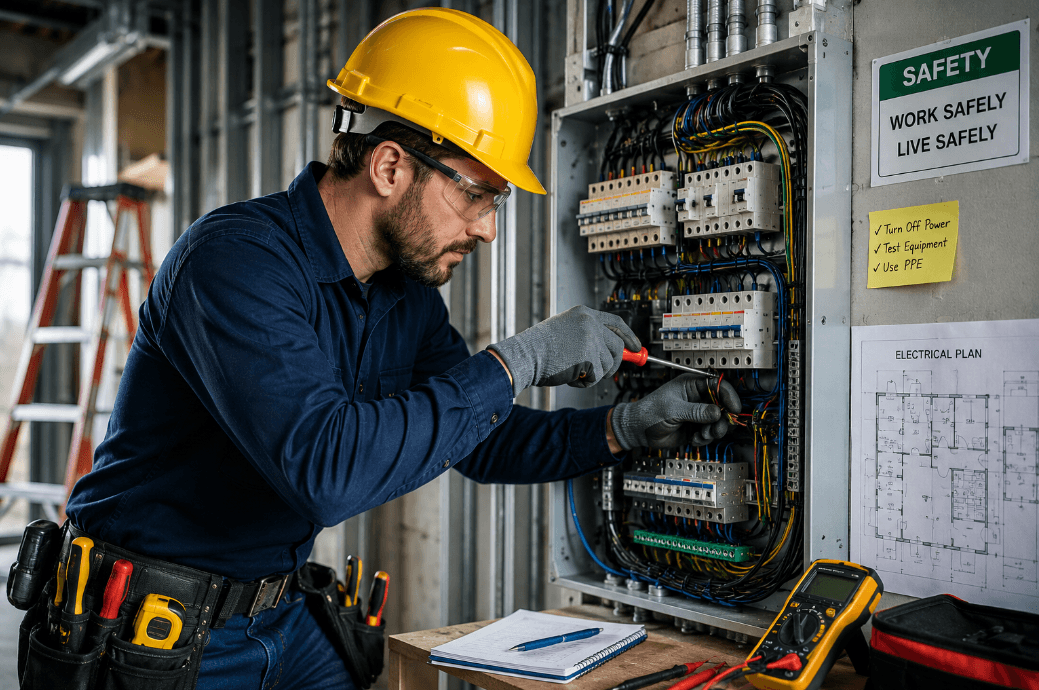
Electricians play a vital role in modern society by installing, maintaining, and repairing electrical systems that power homes, businesses, factories, and critical infrastructure. From residential buildings and commercial properties to industrial facilities and renewable energy projects, electricians ensure that electrical systems operate safely and efficiently.
As technology continues evolving and demand for electricity increases, skilled electricians remain among the most sought-after trade professionals in the United States. The growing adoption of smart homes, electric vehicles, renewable energy systems, and advanced industrial automation has created new opportunities for trained electrical professionals.
For individuals seeking a stable career without necessarily pursuing a four-year college degree, becoming an electrician offers strong earning potential, job security, and opportunities for long-term advancement. Many electricians enjoy hands-on work, problem-solving, and the ability to build rewarding careers while serving essential industries.
What Does an Electrician Do?
An Electrician installs, maintains, troubleshoots, and repairs electrical systems and equipment. These professionals work with wiring, circuit breakers, electrical panels, lighting systems, motors, generators, and various electrical components.
Electricians ensure that electrical systems meet safety standards and comply with local, state, and national regulations.
Common responsibilities include:
Installing electrical wiring
Reading technical blueprints
Inspecting electrical systems
Repairing faulty equipment
Testing electrical components
Installing lighting systems
Maintaining electrical panels
Troubleshooting electrical issues
Ensuring code compliance
Performing safety inspections
Depending on their specialization, electricians may work in residential, commercial, industrial, or utility environments.
Why Demand Is Growing
The demand for electricians continues to increase across the United States.
Several factors are driving this growth:
Aging electrical infrastructure
Expansion of renewable energy projects
Growth in commercial construction
Increasing use of electric vehicles
Smart home technology adoption
Industrial automation expansion
Retirement of experienced trade workers
New construction and modernization projects require qualified electricians who can safely install and maintain complex electrical systems.
As technology advances, the need for skilled electrical professionals is expected to remain strong for years to come.
Education Requirements
One of the advantages of becoming an electrician is that the educational pathway is often shorter and less expensive than many traditional professions.
Most electricians begin with:
High school diploma or equivalent
Vocational training
Trade school education
Apprenticeship programs
Technical education programs typically cover:
Electrical theory
Safety procedures
Blueprint reading
National electrical codes
Mathematics
Electrical equipment operation
Hands-on laboratory training
Formal education provides the foundation needed for successful apprenticeship training and career development.
Essential Technical Skills
Successful electricians develop a variety of technical skills.
Electrical Systems Knowledge
Understanding electrical circuits, power distribution, wiring systems, and electrical equipment is fundamental.
Blueprint Reading
Electricians frequently interpret technical diagrams and construction plans.
Troubleshooting
Diagnosing electrical problems quickly and accurately is one of the most valuable skills in the profession.
Safety Procedures
Electrical work involves potential hazards, making safety knowledge critical.
Electrical Codes
Professionals must understand and follow applicable electrical regulations and industry standards.
Tool Proficiency
Electricians use specialized hand tools, testing equipment, and power tools daily.
Technology Integration
Modern electrical systems increasingly include automation, smart controls, and energy-efficient technologies.
Important Soft Skills
In addition to technical expertise, electricians benefit from strong interpersonal skills.
Important soft skills include:
Problem-solving
Communication
Attention to detail
Time management
Customer service
Teamwork
Adaptability
Work ethic
These skills contribute to professional success and career advancement opportunities.
Best Certifications for Career Growth
Certifications can improve employment opportunities and earning potential.
Journeyman Electrician License
This is one of the most important milestones in an electrician’s career.
Requirements vary by state but generally include education, apprenticeship experience, and examination.
Master Electrician License
Master Electricians possess advanced expertise and often supervise projects, teams, and business operations.
Electrical Contractor License
This credential allows professionals to operate their own electrical contracting businesses in many jurisdictions.
Specialized Certifications
Additional certifications may focus on:
Solar energy systems
Industrial automation
Energy management
Electrical inspection
Smart building technologies
Specialized knowledge can increase career flexibility and earning potential.
A Typical Day as an Electrician
Daily responsibilities vary based on specialization and work environment.
A typical workday may include:
Reviewing project plans
Installing electrical wiring
Inspecting equipment
Testing circuits
Troubleshooting problems
Replacing components
Conducting safety checks
Meeting with clients
Completing maintenance tasks
Documenting project progress
The work often combines physical activity with technical problem-solving.
Step-by-Step Career Roadmap
Step 1: Complete High School Education
Focus on mathematics, science, and technical subjects.
These courses help build foundational knowledge for electrical work.
Step 2: Attend Trade School or Technical Training
Formal training introduces core electrical concepts and practical skills.
Step 3: Join an Apprenticeship Program
Apprenticeships provide paid, hands-on training under experienced electricians.
Most apprenticeship programs last several years and combine classroom instruction with practical experience.
Step 4: Become a Journeyman Electrician
After completing apprenticeship requirements and passing examinations, individuals can become licensed Journeyman Electricians.
Step 5: Gain Professional Experience
Continued experience helps develop specialized expertise and leadership skills.
Step 6: Earn Advanced Certifications
Pursue additional credentials and specialized training.
Step 7: Advance into Leadership Roles
Career progression may include:
Master Electrician
Electrical Supervisor
Project Manager
Electrical Contractor
Operations Manager
Business Owner
Salary Expectations in the United States
Electricians earn competitive salaries with strong opportunities for advancement.
Typical salary ranges include:
Apprentice Electrician: $35,000–$55,000
Journeyman Electrician: $60,000–$90,000
Experienced Electrician: $90,000–$120,000+
Master Electrician: $110,000–$150,000+
Electrical Contractor or Business Owner: Potentially much higher depending on project volume and business success.
Income varies based on location, specialization, experience, certifications, and employer.
Industries Hiring Electricians
Electricians work across numerous industries.
Residential Construction
Homebuilders and residential contractors require electricians for wiring and electrical installations.
Commercial Construction
Office buildings, retail centers, schools, and hospitals rely on electrical professionals.
Manufacturing
Factories require maintenance and installation of electrical equipment.
Energy and Utilities
Power generation and distribution systems employ electricians for maintenance and upgrades.
Renewable Energy
Solar and wind energy projects create growing demand for specialized electricians.
Government and Public Infrastructure
Public facilities, transportation systems, and utilities require electrical expertise.
Electrician vs Electrical Engineer
Many people confuse these professions.
Electricians focus on installing, maintaining, and repairing electrical systems.
Electrical Engineers design and develop electrical technologies, systems, and equipment.
Both careers are valuable, but they involve different educational pathways and responsibilities.
Electricians generally enter the workforce more quickly, while engineers often require university degrees.
Common Mistakes Beginners Make
Ignoring Safety Procedures
Electrical safety must always be the highest priority.
Underestimating Apprenticeship Importance
Hands-on training is essential for long-term success.
Neglecting Continuing Education
Technology and regulations continue evolving.
Poor Time Management
Efficient work habits improve productivity and career advancement.
Focusing Only on Residential Work
Exploring commercial and industrial opportunities can expand earning potential.
Advantages of This Career
Electricians enjoy many professional benefits.
Strong job demand
Competitive salaries
Hands-on work environment
Opportunities for self-employment
Career stability
Growing renewable energy opportunities
Transferable skills
Professional independence
These advantages make electrical work one of the most attractive skilled trades.
Challenges to Consider
The profession also presents challenges.
Physical demands
Weather exposure on some job sites
Safety risks
Emergency repair situations
Continuing education requirements
Complex technical problems
Many electricians find these challenges rewarding because they contribute directly to professional growth and job satisfaction.
Future Outlook and Job Growth
The future remains bright for electricians.
The increasing use of renewable energy systems, smart technologies, electric vehicles, and advanced electrical infrastructure is expected to drive long-term demand.
Businesses and homeowners continue investing in electrical upgrades, energy efficiency improvements, and modern technologies.
Electricians who stay current with emerging technologies and specialized certifications will likely enjoy excellent career opportunities throughout the coming decade.
How to Get Started
Individuals interested in electrical careers should begin by developing strong technical foundations.
Complete high school education.
Research local trade schools.
Apply for apprenticeship programs.
Develop safety awareness.
Learn electrical fundamentals.
Gain practical experience.
Pursue licensing and certifications.
Consistent training and hands-on experience are the keys to long-term success in the electrical trade.
Conclusion
Electricians are essential professionals who help power homes, businesses, and industries across the United States. Their expertise supports modern infrastructure, technological innovation, and economic growth.
For individuals seeking a stable, rewarding, and financially attractive career path, becoming an electrician offers numerous opportunities for advancement and professional success. With growing demand for skilled tradespeople and increasing investment in electrical systems, the future remains highly promising for those entering the profession today.
FAQs
Is becoming an electrician a good career?
Yes. Electricians enjoy strong job demand, competitive salaries, and long-term career stability.
Do electricians need a college degree?
No. Most electricians enter the profession through trade schools and apprenticeship programs.
How long does it take to become an electrician?
The timeline varies, but most electricians complete several years of apprenticeship training before becoming licensed.
Can electricians earn six-figure salaries?
Yes. Experienced electricians, master electricians, and electrical contractors can earn six-figure incomes.
Is electrician work physically demanding?
Yes. The job often involves physical activity, problem-solving, and hands-on technical work.







Be First to Comment